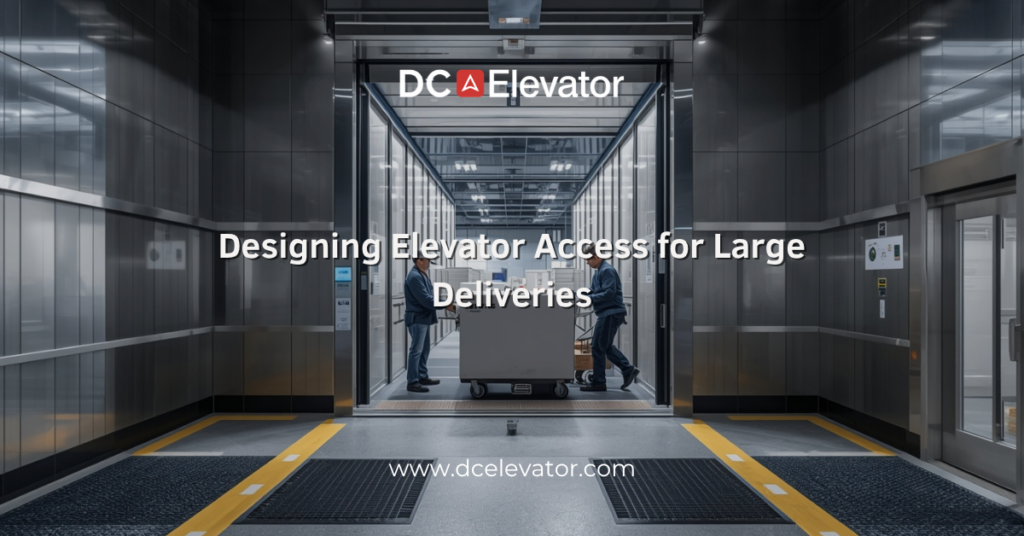
How easily can your building move large deliveries, equipment, or service materials from the loading area to the floors where they are needed? In commercial buildings, hotels, healthcare facilities, apartments, and mixed-use properties, elevators often serve a much broader purpose than transporting passengers. They may also handle carts, replacement equipment, furniture, maintenance supplies, and other oversized loads.
When elevator access is not properly planned for these activities, routine deliveries can create congestion, increase wear on equipment, and interfere with normal building operations. Facility managers and property owners should consider how elevators are used during receiving, installation, maintenance, and service activities. Designing or adapting elevator access around these needs can improve efficiency, protect equipment, and help keep daily operations running smoothly.
Understanding Delivery and Service Elevator Needs
Large deliveries place different demands on an elevator than typical passenger traffic. Heavy carts, equipment, and materials can increase the frequency of trips and put additional stress on components such as doors, flooring, fixtures, and leveling systems.
The first step is understanding how the elevator is actually being used. Facility managers should consider the size and weight of common deliveries, how often deliveries occur, which floors receive the most materials, and whether service personnel regularly transport bulky equipment.
For example, a commercial office building may receive furniture and office equipment during tenant move-ins, while a hotel may regularly transport linens, supplies, and maintenance equipment. A healthcare facility may have even more specialized transportation requirements. Each situation can affect how an elevator should be operated and maintained.
Protecting Elevators During Heavy-Use Activities
Elevator interiors can experience significant wear when large carts and equipment are moved frequently. Door panels, thresholds, walls, handrails, and flooring may be exposed to impacts, scratches, dirt, and excessive loading.
Clear delivery procedures can help reduce unnecessary damage. Buildings may establish designated delivery periods, use appropriate carts, and provide protective padding when transporting large materials. Staff should also avoid forcing oversized items through elevator doors or exceeding the elevator’s rated capacity.
Door operation deserves particular attention. Holding or blocking elevator doors open for extended periods can interfere with normal operation and place additional strain on door components. Employees and delivery personnel should be trained on proper elevator use and encouraged to report unusual noises, slow doors, leveling problems, or other changes in performance.
Planning for Efficient Building Operations
Elevator access should also be coordinated with the building’s overall logistics plan. When possible, deliveries can be scheduled during lower passenger-traffic periods to minimize conflicts between visitors, employees, tenants, and service personnel.
For buildings that regularly handle large deliveries, facility managers may also evaluate whether the existing elevator is appropriately suited for the building’s operational needs. Factors such as capacity, door dimensions, travel requirements, equipment condition, and traffic patterns can all influence elevator performance.
Regular inspections and maintenance can identify worn components before they become larger operational problems. In older buildings, an elevator analysis can also help determine whether modernization or targeted upgrades would improve the system’s ability to handle current demands.
Large deliveries and service operations can place unique demands on commercial elevators. Without proper planning, heavy loads, frequent trips, and oversized equipment can contribute to interior damage, door wear, operational delays, and unnecessary strain on elevator components.
Property owners and facility managers can reduce these risks by establishing clear delivery procedures, training building personnel, protecting elevator interiors, and regularly evaluating elevator performance. It is also important to make sure the elevator’s capacity and configuration continue to meet the building’s operational needs as those needs change.
If your elevator regularly handles large deliveries or service equipment, our experts can evaluate its condition and help identify practical maintenance, repair, or modernization solutions. Contact us today for an elevator analysis and make sure your system is prepared to support your building’s daily operations.