Have you ever wondered how elevators have become faster, smoother, and more reliable over the years? Much of that progress comes from changes that passengers rarely see: the elevator control system. From early electromechanical controls to modern electronic systems, elevator controls have evolved significantly to improve how elevators start, stop, respond to calls, and manage building traffic.
For property owners and facility managers, understanding this evolution is more than a history lesson. Many older buildings still operate elevator systems that were designed decades ago, and some may rely on control technology that is becoming increasingly difficult to maintain. Knowing how elevator controls have changed can help building decision-makers recognize when an aging system may benefit from maintenance, repair, or modernization.
The Early Days of Elevator Controls
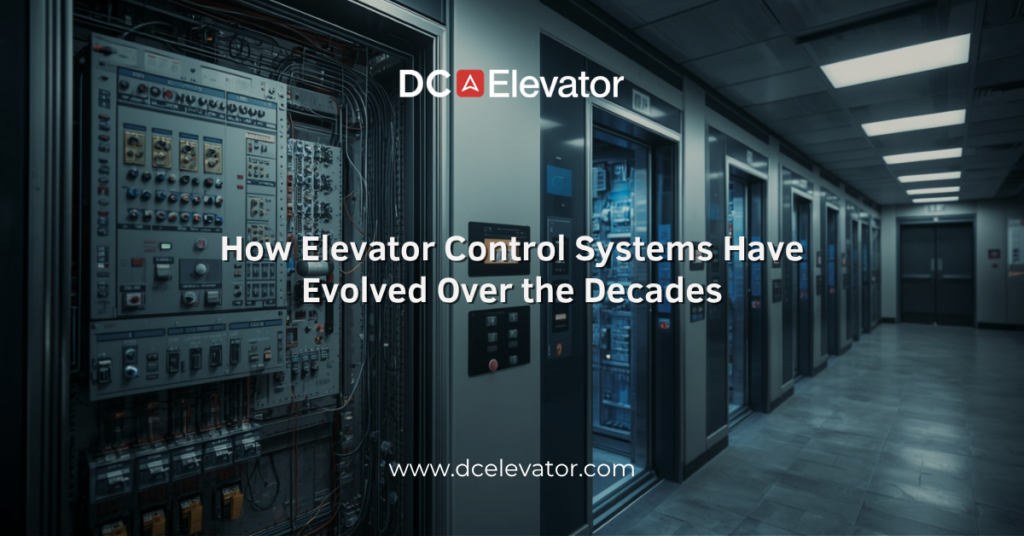
Early elevator systems relied heavily on electromechanical components such as relays, switches, and contactors. These systems performed basic control functions but depended on numerous physical components working together.
For their time, these systems were effective and could provide dependable service when properly maintained. However, decades of operation can result in component wear, and replacement parts for older equipment may become harder to source.
As buildings became taller and elevator use increased, the need for more precise and efficient control became increasingly important.
The Shift to Electronic Control Systems
The development of electronic control technology brought significant changes to elevator operation. Solid-state components began replacing many mechanical control elements, allowing elevator systems to respond more precisely to commands.
Electronic controls helped improve acceleration, deceleration, leveling, and overall ride quality. They also made it possible to incorporate more sophisticated control functions into elevator systems.
For building owners, this transition represented an important step toward improved performance. However, even electronic systems eventually age, and older electronic components can become obsolete or difficult to service.
Modern Elevator Controls
Today’s elevator control systems are designed to manage many aspects of operation with greater precision. Modern controls can coordinate elevator movement, door operation, floor selection, and other functions while helping provide a smoother passenger experience.
Control technology has also become more integrated with other elevator components. This allows technicians to evaluate system performance more systematically when troubleshooting operational problems.
However, having newer control technology does not eliminate the need for regular professional maintenance. Proper inspection, adjustment, and repair remain important for keeping elevator systems operating safely and reliably.
When Older Controls Become a Concern
The age of an elevator control system does not automatically mean replacement is necessary. A properly maintained older system may continue to provide reliable service. However, certain warning signs can indicate that the system should be evaluated.
Frequent shutdowns, recurring control-related problems, difficulty obtaining replacement components, inconsistent leveling, or increasingly expensive repairs may indicate that modernization deserves consideration.
Facility managers should also consider the availability of technical support and replacement parts when planning for the long-term operation of an aging elevator.
How Modernization Can Help
Elevator modernization can address aging control equipment without necessarily replacing the entire elevator system. Depending on the elevator’s condition and the building’s needs, a modernization project may involve upgrading the control system and other related components.
A professional elevator assessment can help determine which components are contributing to current problems and whether targeted upgrades or broader modernization would make sense. This approach allows property owners to make informed decisions based on the elevator’s condition, usage, maintenance history, and long-term building plans.
Elevator control systems have changed dramatically over the decades, moving from mechanical relay-based technology to increasingly sophisticated electronic control systems. These advancements have helped improve elevator performance, ride quality, reliability, and operational precision.
For property owners and facility managers, understanding the age and condition of an elevator’s control system can be valuable when planning maintenance and capital improvements. An older system is not automatically a problem, but recurring failures, obsolete components, and rising repair needs may indicate that an evaluation is worthwhile.
If your elevator relies on an aging control system or has experienced recurring operational issues, our experts can evaluate its condition and help determine whether maintenance, repair, or modernization is appropriate. Contact us today for an elevator analysis and a clearer understanding of your system’s next steps.