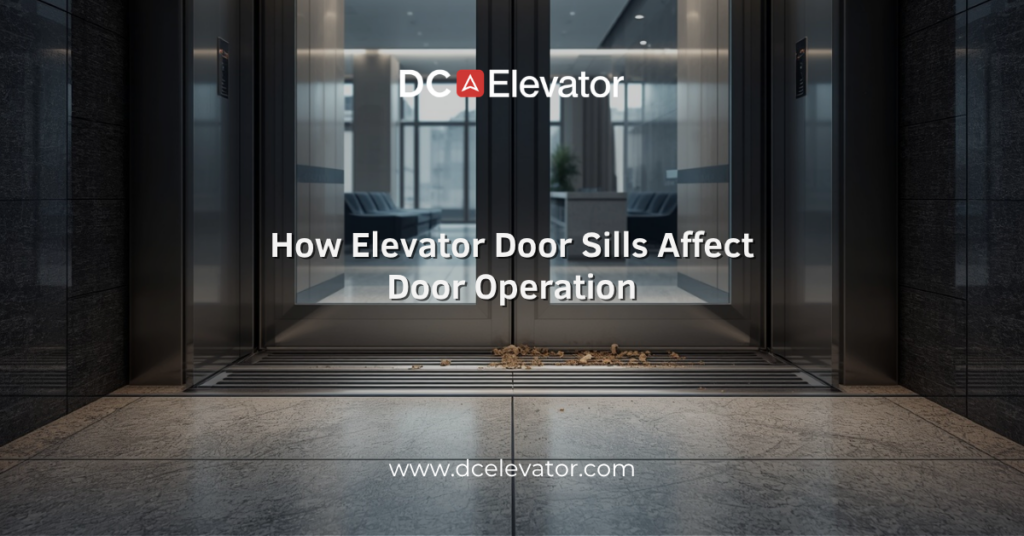
Have you ever noticed an elevator door hesitate, make unusual sounds, or fail to close smoothly? The problem may not always be with the door operator or controls. Something as simple as dirt, dust, coins, paper, or other debris collecting in the elevator door sill can interfere with normal door operation.
Elevator door sills guide and support the bottom of the doors as they open and close. Because they are located at floor level, they are exposed to constant foot traffic and can easily collect debris throughout the day. For property owners and facility managers, keeping these areas clean and properly maintained is an important part of preventing avoidable door problems. Understanding how debris affects elevator door sills can help building teams recognize early warning signs and address issues before they lead to service interruptions.
Why Elevator Door Sills Collect Debris
Elevator entrances are high-traffic areas, making door sills particularly vulnerable to dirt and debris. Small objects can be carried into the building on shoes, carts, equipment, or deliveries. Dust and grit can also accumulate gradually, especially in busy commercial, residential, healthcare, and retail buildings.
Because the sill contains a track or groove where the door panels move, even a small amount of buildup can affect how smoothly the doors operate. Larger debris may become lodged in the sill and physically interfere with door movement.
Regular cleaning is therefore more than an appearance issue. Keeping the sill clear helps provide the space needed for the doors to operate as intended.
How Debris Can Affect Door Operation
When debris accumulates in the sill, the elevator doors may begin showing noticeable changes in performance. Facility managers may observe doors moving more slowly, making unusual noises, stopping before fully closing, or appearing to drag along the sill.
In some cases, debris can contribute to uneven door movement or cause the doors to reopen when the system detects an obstruction. Repeated interference can also place additional stress on door components and may contribute to increased service needs over time.
These symptoms should not automatically be attributed to debris alone. Door operators, rollers, tracks, sensors, and other components can also contribute to door problems. A qualified elevator technician can inspect the complete door system to identify the underlying cause.
Practical Steps for Facility Managers
Routine housekeeping and maintenance can help reduce debris-related door problems. Building staff should regularly inspect elevator entrances and remove visible dirt and loose debris from the sill using appropriate cleaning methods.
It is also important to avoid forcing objects into the sill or using improper tools that could damage elevator components. If debris has become lodged inside the sill or the door is already showing signs of poor operation, professional service may be appropriate.
Regular elevator maintenance provides an opportunity to inspect door sills along with other critical components. During service visits, technicians can identify wear, buildup, alignment concerns, and other conditions that may affect door performance.
When a Door Problem Needs Professional Attention
A consistently slow, noisy, or uneven elevator door should not be ignored. What begins as a small operating issue can become more disruptive if the underlying cause is not identified and addressed.
Professional elevator maintenance and repair can help determine whether the issue is related to debris, normal wear, adjustment, or another component of the door system. Addressing these concerns early can help reduce unexpected downtime and keep elevators operating reliably for building occupants.
Elevator door sills may seem like a small part of the overall system, but their condition can have a noticeable impact on door performance. Dirt, dust, and other debris can accumulate in these high-traffic areas and interfere with smooth door movement. Regular cleaning, routine inspections, and professional maintenance can help identify problems before they become larger service concerns.
If your elevator doors are making unusual noises, moving unevenly, or failing to close properly, the cause may require more than routine cleaning. Our elevator professionals can inspect the door system, identify potential issues, and recommend the appropriate maintenance or repair. Contact us today for an elevator analysis and help keep your elevator doors operating safely and reliably.