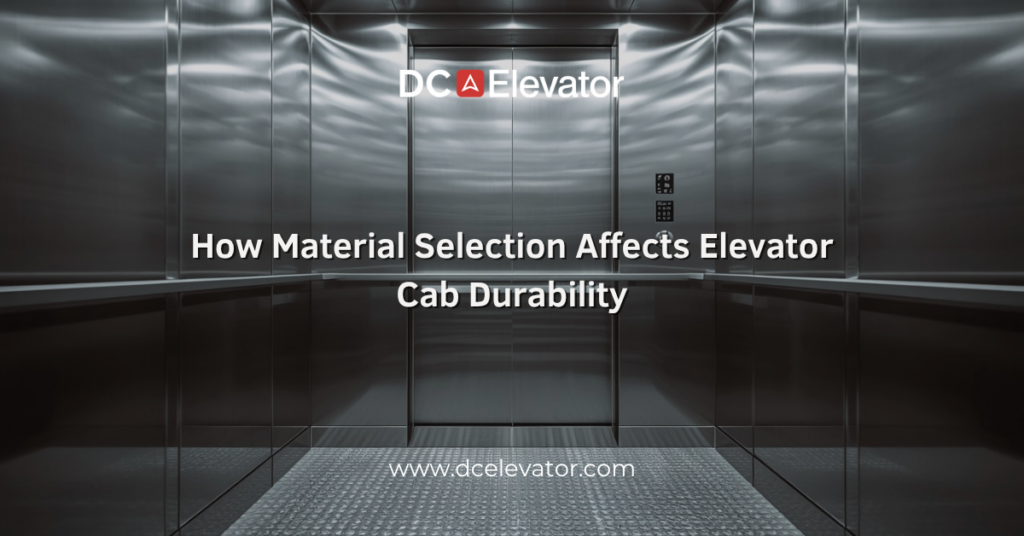
Have you ever noticed how quickly an elevator cab can start to look worn in a busy commercial building? Scratched wall panels, damaged flooring, dented corners, and stained surfaces are common signs of heavy use—but the materials selected during construction or renovation can make a significant difference in how well an elevator holds up over time.
Elevator cabs experience daily contact with passengers, carts, equipment, cleaning products, and occasional impacts from transported materials. For property owners, facility managers, architects, and contractors, choosing appropriate interior materials is therefore more than an aesthetic decision. Material selection can influence durability, maintenance requirements, appearance, and the overall service life of an elevator interior. Understanding these considerations can help building teams make practical choices that support long-term performance.
Choosing Materials for the Building’s Usage
Not every elevator experiences the same level of wear. A low-traffic office elevator may have very different requirements from a hospital, hotel, apartment building, retail center, or facility that regularly transports equipment and deliveries.
High-traffic elevators benefit from materials designed to withstand repeated contact and everyday impacts. Stainless steel, durable wall panels, commercial-grade flooring, and other resilient finishes can help reduce visible damage. In buildings where carts or heavy equipment are common, impact resistance becomes especially important.
Facility managers should consider how the elevator will actually be used before selecting finishes. A visually appealing material may not be the most practical option if it is easily scratched, difficult to clean, or vulnerable to moisture.
Flooring and Wall Finishes Matter
Elevator flooring receives some of the most consistent wear. Dirt, sand, moisture, and debris can be tracked inside throughout the day, gradually affecting the surface. Materials that are resistant to abrasion and easy to maintain can help preserve the cab’s appearance while reducing the frequency of repairs.
Wall finishes face a different set of challenges. Hand contact, carts, moving equipment, and accidental impacts can cause scratches, dents, or discoloration. Protective wall panels or durable metal finishes can provide additional resistance in demanding environments.
The goal is not simply to select the strongest available material. Instead, building teams should balance durability, appearance, cleaning requirements, accessibility, and the expected level of traffic.
Consider Maintenance Before Installation
Material selection should also account for what happens after installation. Some finishes require specialized cleaning methods or may show fingerprints, scratches, and stains more readily than others. Choosing practical materials can make routine maintenance easier for building staff.
For older elevators, worn finishes can also be an indication that the cab is due for a broader modernization assessment. An elevator modernization project can provide an opportunity to update interior materials while also addressing aging equipment and other performance concerns.
Working with an experienced elevator professional can help property owners determine which improvements make sense for the building’s usage and long-term plans. In some cases, replacing specific cab components or finishes may be sufficient. In others, a more comprehensive modernization approach may provide greater value.
Planning for Long-Term Durability
The best elevator interior is one that continues to perform well after years of daily use. Before selecting construction materials, property owners and facility managers should evaluate passenger volume, transportation needs, cleaning practices, environmental conditions, and the likelihood of impacts from carts or equipment.
A thoughtful material selection strategy can help reduce premature wear, control maintenance costs, and keep the elevator looking professional. It can also contribute to a better experience for the people who rely on the elevator every day.
Elevator cab materials have a direct impact on how well an interior withstands everyday use. Flooring, wall panels, doors, and other finishes should be selected based on the building’s traffic levels, transportation needs, maintenance practices, and environmental conditions—not aesthetics alone. Durable materials can help minimize visible wear and make routine upkeep more manageable.
If your elevator cab is showing significant scratches, dents, worn flooring, or outdated finishes, it may be worth evaluating whether repairs, interior upgrades, or a larger modernization project makes the most sense. Our elevator experts can assess your system and help identify practical improvements based on your building’s needs. Contact us today for an elevator analysis and take the next step toward a more durable, functional, and professional elevator environment.