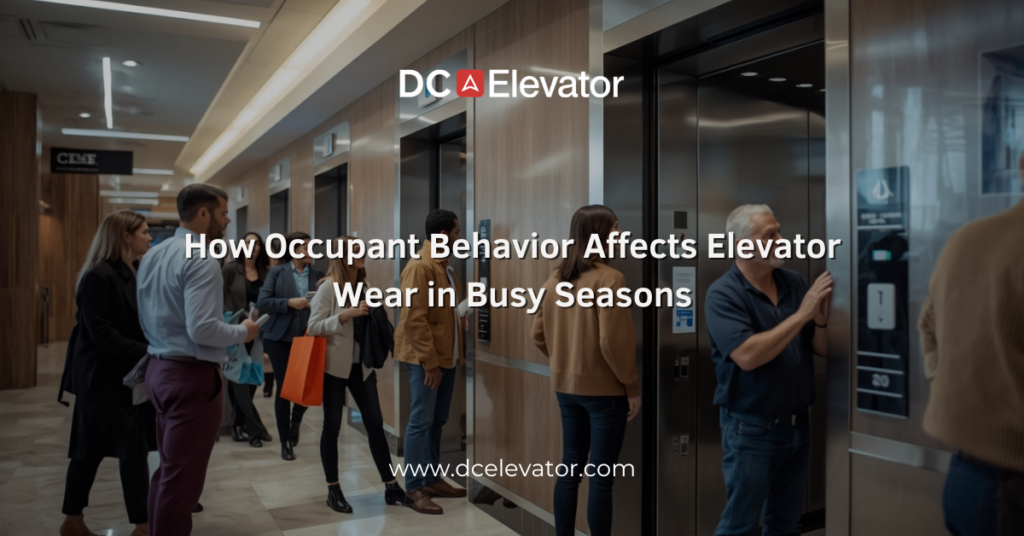
Have you ever wondered why some elevators seem to require more repairs after periods of heavy building activity? While increased passenger volume naturally contributes to equipment wear, the way occupants use an elevator can have just as much impact as the number of trips it makes. During busy seasons—such as summer travel, back-to-school periods, retail events, or office occupancy increases—small daily habits can add up to significant stress on elevator components.
For facility managers, property owners, and building operators, understanding how occupant behavior affects elevator performance can help reduce unnecessary wear, improve reliability, and extend equipment life. Combined with regular maintenance, encouraging responsible elevator use can minimize service interruptions and keep elevators operating efficiently even during the busiest times of the year.
Increased Traffic Means More Operating Cycles
Busy seasons often bring more visitors, employees, tenants, or customers into a building. As elevators make additional trips, components such as doors, buttons, motors, brakes, and leveling systems experience more operating cycles than usual.
Although elevators are designed to handle heavy use, excessive daily traffic accelerates normal wear. Facility managers should anticipate these seasonal changes and ensure maintenance schedules align with increased demand.
Everyday Habits That Increase Wear
Certain occupant behaviors can place unnecessary stress on elevator systems. Common examples include:
- Holding elevator doors open for extended periods
- Repeatedly pressing call buttons
- Blocking doors with carts, luggage, or packages
- Exceeding recommended weight limits
- Forcing doors to remain open while passengers enter
While these actions may seem minor, repeated occurrences can increase wear on door operators, sensors, and other mechanical components. During busy periods, these habits become even more frequent, making preventive awareness especially valuable.
Encouraging Responsible Elevator Use
Facility managers can reduce unnecessary wear by promoting simple elevator etiquette throughout the building. Clear signage reminding occupants not to block doors, overload elevators, or repeatedly press call buttons can help encourage more efficient operation.
In office buildings, coordinating move-ins or deliveries outside peak business hours also reduces congestion. Retail centers and hotels may benefit from directing service deliveries to freight elevators whenever available, helping minimize wear on passenger elevators.
These operational adjustments improve traffic flow while reducing unnecessary strain on equipment.
Maintenance Remains the Best Long-Term Strategy
Even with responsible occupant behavior, seasonal traffic will naturally increase equipment usage. That’s why routine inspections and preventive maintenance remain essential for long-term reliability.
After periods of heavy occupancy, technicians can inspect door systems, braking components, leveling accuracy, controls, and other high-use parts for signs of developing wear. Identifying minor issues early helps prevent unexpected service interruptions and allows repairs to be scheduled before larger problems develop.
For older elevator systems experiencing recurring maintenance needs, modernization may improve reliability and better support changing building demands over time.
Occupant behavior plays a larger role in elevator performance than many building owners realize. During busy seasons, everyday actions combined with increased passenger traffic can accelerate wear on important elevator components. Encouraging responsible elevator use and maintaining a proactive maintenance program helps improve reliability, reduce downtime, and extend the life of your equipment.
If your building experiences seasonal increases in elevator traffic, our experienced technicians can evaluate your system’s condition and recommend maintenance or modernization solutions that help keep your elevators operating safely and efficiently. Contact us today to schedule a professional elevator assessment before small issues become costly repairs.