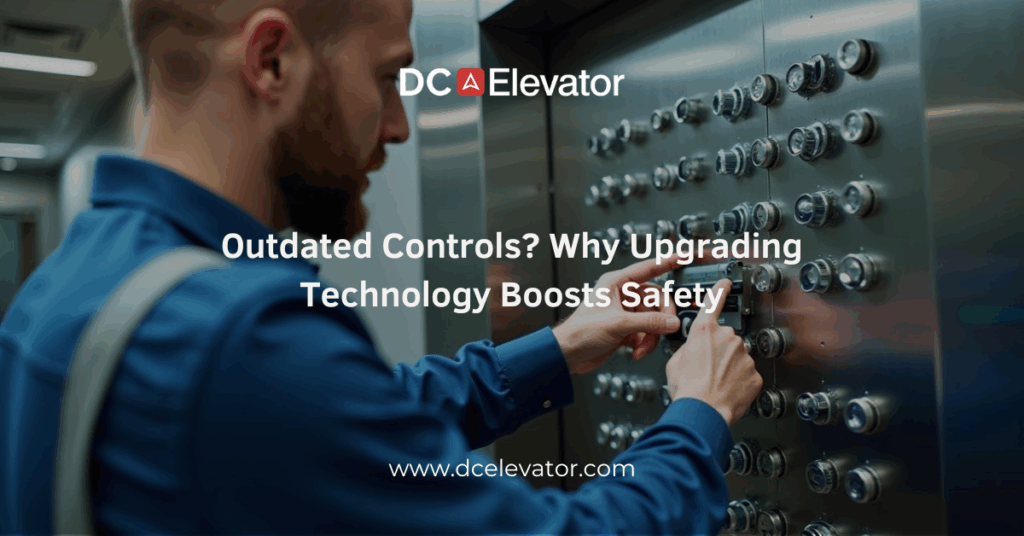
When was the last time your elevator control system was updated? For many buildings, it’s been decades — and while the elevator may still run, outdated technology could be quietly compromising safety, efficiency, and reliability.
As elevator systems age, their control panels, wiring, and safety circuits may no longer meet current codes or performance standards. This can lead to unpredictable performance, costly breakdowns, and potential safety risks for passengers. For property managers and building owners, understanding the role of modern control technology is crucial to ensuring both safety and long-term value.
In this blog, we’ll explore how upgrading outdated elevator controls not only enhances passenger safety but also improves performance, compliance, and peace of mind.
Why Elevator Controls Matter
The control system acts as the “brain” of the elevator — directing movement, regulating doors, and ensuring safe operation at every stop. Over time, these systems can degrade due to age, electrical wear, or component obsolescence. Older relay-based systems, in particular, are prone to malfunction and difficult to repair since replacement parts are often discontinued.
Without a reliable control system, even the most well-maintained elevator can experience erratic movement, delayed responses, or unexpected shutdowns. More importantly, it can compromise passenger safety and increase liability risks for building owners.
Key Safety Risks of Outdated Elevator Controls
-
Inconsistent Door Operation:
Malfunctioning control circuits can cause doors to open too early or fail to close completely, posing a serious safety hazard. -
Unreliable Floor Leveling:
Aging control systems can cause uneven leveling between floors, creating trip risks and accessibility concerns. -
Lack of Modern Safety Features:
Modern controllers are designed to meet current elevator safety codes, integrating features such as emergency recall, fire service mode, and door safety sensors that older systems lack. -
Difficult Maintenance and Repairs:
When controls are outdated, even minor repairs can be delayed due to unavailable parts or limited technical support — leading to longer downtimes and frustrated tenants.
Benefits of Upgrading Elevator Control Systems
-
Improved Safety Compliance:
Modernization ensures your system meets current safety codes and operational standards, reducing risk and liability. -
Smoother Performance:
Upgraded controls improve ride quality, door precision, and response time, enhancing the user experience. -
Reduced Maintenance Costs:
With reliable modern components, building owners experience fewer breakdowns, saving time and money in the long term. -
Energy Efficiency:
Modern controls regulate power usage more effectively, reducing energy consumption during operation and standby.
When to Consider an Upgrade
If your elevator was installed more than 20 years ago or you’ve been experiencing frequent service calls related to control issues, it’s time to evaluate your system. A professional modernization assessment can determine whether replacing your control system — rather than the entire elevator — is the right approach.
An upgrade not only ensures compliance and safety but also extends the life of your existing equipment, making it a smart investment for building owners planning long-term maintenance strategies.
Outdated elevator controls don’t just affect performance — they can directly impact passenger safety and building reliability. Upgrading to a modern control system can help prevent breakdowns, improve safety compliance, and enhance the overall experience for tenants and visitors alike.
If your elevator control system is showing signs of age or you’re unsure of its current safety compliance, our team can assess your system and recommend the best modernization options for your building. Contact us today to schedule a professional elevator evaluation.