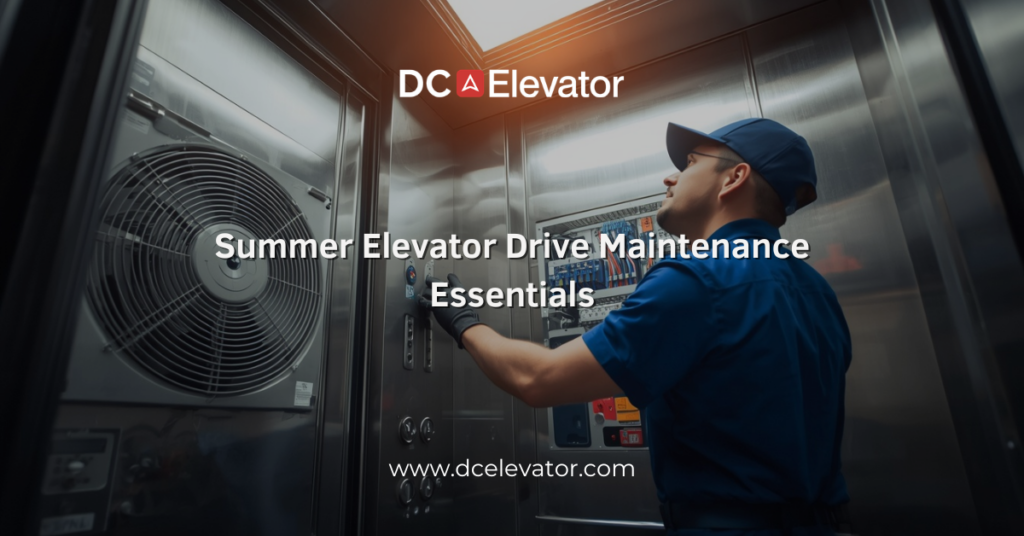
As temperatures climb during the summer months, have you noticed building equipment working harder than usual? While HVAC systems often receive the most attention, elevator drive systems are also affected by rising heat. Excessive temperatures, poor ventilation, and neglected maintenance can contribute to equipment stress, increasing the likelihood of unexpected downtime.
For property owners, facility managers, and building operators, understanding how seasonal conditions impact elevator performance is essential for maintaining reliable service. Summer is an ideal time to review maintenance practices that help protect critical elevator components and reduce the risk of avoidable interruptions. A proactive approach not only supports passenger safety but also helps extend the life of elevator equipment while minimizing costly repairs.
Why Summer Can Be Tough on Elevator Drives
Elevator drive systems rely on electronic components that generate heat during normal operation. During the summer, these systems often operate in warmer environments, making it more difficult to dissipate heat effectively.
According to the maintenance checklist, electronic drives can deteriorate more quickly when installed in areas with poor ventilation or elevated ambient temperatures. Without proper airflow, excessive heat places additional strain on sensitive components, increasing the possibility of equipment failure.
For buildings with high elevator usage, such as office towers, hospitals, hotels, and residential complexes, seasonal heat can amplify existing maintenance concerns if preventive measures are overlooked.
Key Maintenance Checks for Reliable Operation
Routine inspections play a significant role in reducing the likelihood of unexpected breakdowns. Several maintenance practices should be included in seasonal service plans.
Perform a Thorough Visual Inspection
A complete visual inspection helps identify broken components, signs of wear, or other visible issues before they develop into larger problems. Early detection allows maintenance teams to schedule repairs before equipment performance is affected.
Keep Cooling Components Clean
Fans and heat sinks are essential for removing excess heat from elevator drive systems. Dust, debris, or blocked airflow can reduce cooling efficiency, causing internal temperatures to rise.
Regular cleaning of these components helps maintain proper heat dissipation and supports consistent elevator operation throughout warmer months.
Inspect for Mechanical Issues
Mechanical blockages or inadequate lubrication can increase system resistance, potentially leading to overload or overcurrent faults.
Checking moving components for smooth operation helps ensure the drive system isn’t working harder than necessary.
Monitor Machine Room Conditions
Machine rooms should maintain appropriate ventilation and controlled temperatures whenever possible. Excessive ambient heat accelerates wear on electronic equipment, making environmental conditions just as important as the equipment itself.
Verify Electrical Connections
Loose electrical terminals may contribute to operational issues over time. During scheduled maintenance and with equipment safely powered down, qualified technicians should verify that input and output connections remain securely fastened.
Back Up System Parameters
Maintaining a backup of elevator drive parameters provides valuable reference information should adjustments or repairs become necessary in the future. This simple precaution can help streamline troubleshooting and reduce service time.
Preventive Maintenance Reduces Unexpected Downtime
Many elevator interruptions are preventable through consistent maintenance and seasonal inspections. Addressing heat management, ventilation, cleanliness, and mechanical conditions before problems arise helps building owners avoid emergency service calls and minimize disruptions for tenants and visitors.
Summer maintenance isn’t simply about responding to failures—it’s about identifying conditions that may shorten equipment life and correcting them before they affect daily operations. Working with experienced elevator professionals ensures inspections are performed safely and in accordance with manufacturer recommendations.
Summer places additional demands on elevator drive systems, making seasonal maintenance an important part of a building’s preventive maintenance program. Regular visual inspections, proper cooling, secure electrical connections, and attention to machine room conditions all contribute to reliable elevator performance while helping reduce unnecessary downtime.
If your building’s elevators are preparing for another hot season, now is an excellent time to schedule a professional maintenance inspection. Our experienced technicians can evaluate your elevator systems, identify potential concerns, and recommend maintenance solutions that help keep your equipment operating safely and efficiently throughout the summer.