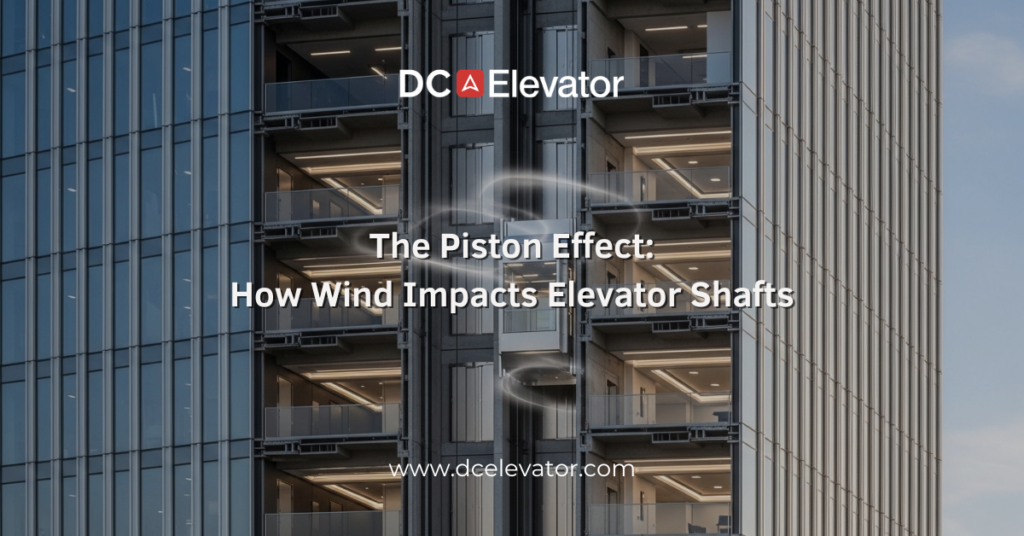
Have you ever noticed elevator doors struggling to open on a windy day or felt unusual air pressure when riding between floors? These subtle issues may be linked to something known as the “piston effect.” In buildings—especially mid- to high-rise structures—strong spring wind gusts can create pressure imbalances within elevator shafts, affecting performance and passenger comfort.
For property managers, facility directors, and building owners, understanding how environmental factors like wind impact elevator systems is more important than ever. Seasonal changes can introduce unexpected operational challenges, and without proper planning, these issues can lead to increased wear, service disruptions, and tenant complaints. Let’s explore how the piston effect works and what you can do to minimize its impact.
What Is the Piston Effect?
The piston effect occurs when an elevator car moves within a shaft, pushing and pulling air as it travels—similar to how a piston moves within a cylinder. Under normal conditions, this airflow is controlled and balanced through proper ventilation and shaft design.
However, during periods of strong wind—common in early spring—external air pressure can disrupt this balance. Wind entering the building through openings, doors, or ventilation systems can force air into the elevator shaft, creating uneven pressure zones.
How Wind Gusts Affect Elevator Performance
Door Operation Issues
One of the most noticeable effects of pressure imbalance is difficulty with elevator doors. Doors may open slower, close improperly, or trigger safety sensors unnecessarily. This happens because pressure differences can physically resist door movement.
Ride Quality and Noise
Passengers may experience drafts, unusual noises, or slight vibrations during travel. While not always dangerous, these issues can affect user comfort and give the impression of poor system performance.
Increased Wear on Components
When elevators operate under inconsistent pressure conditions, key components such as door operators, seals, and mechanical systems work harder than intended. Over time, this can lead to premature wear and more frequent maintenance needs.
Real-World Challenges for Building Managers
In buildings with high foot traffic—such as office towers, healthcare facilities, and residential complexes—these issues can quickly escalate. Complaints about slow or malfunctioning elevators can impact tenant satisfaction and even leasing decisions.
Additionally, buildings with older systems or less advanced ventilation designs are more vulnerable to the piston effect. Without proper mitigation, what starts as a seasonal nuisance can turn into recurring service calls and rising operational costs.
Practical Solutions to Minimize the Impact
Improve Shaft Ventilation
Ensuring proper airflow within the elevator shaft is one of the most effective ways to balance pressure. Ventilation systems should be inspected regularly to confirm they are functioning as designed.
Seal Air Leaks
Gaps around doors, windows, and mechanical openings can allow wind to enter and disrupt internal pressure. Sealing these areas helps maintain a stable environment inside the building.
Regular Maintenance Checks
Routine inspections can identify early signs of wear caused by pressure fluctuations. Addressing these issues proactively can prevent larger, more costly problems down the line.
Evaluate System Performance
If pressure-related issues persist, it may be time to assess whether your current elevator system is equipped to handle environmental changes. In some cases, targeted upgrades or adjustments can significantly improve performance.
The piston effect is a lesser-known but important factor that can influence elevator performance—especially during seasons with strong wind activity. From door operation issues to increased component wear, pressure imbalances can create challenges that affect both system reliability and tenant satisfaction.
By understanding how wind impacts your building and taking proactive steps—such as improving ventilation, sealing air leaks, and maintaining your system—you can reduce disruptions and extend the life of your equipment.
If your elevators have been experiencing unusual behavior during windy conditions, it may be worth taking a closer look. Our team can help evaluate your system and recommend practical solutions to keep everything running smoothly. Contact us today to schedule an elevator performance assessment.