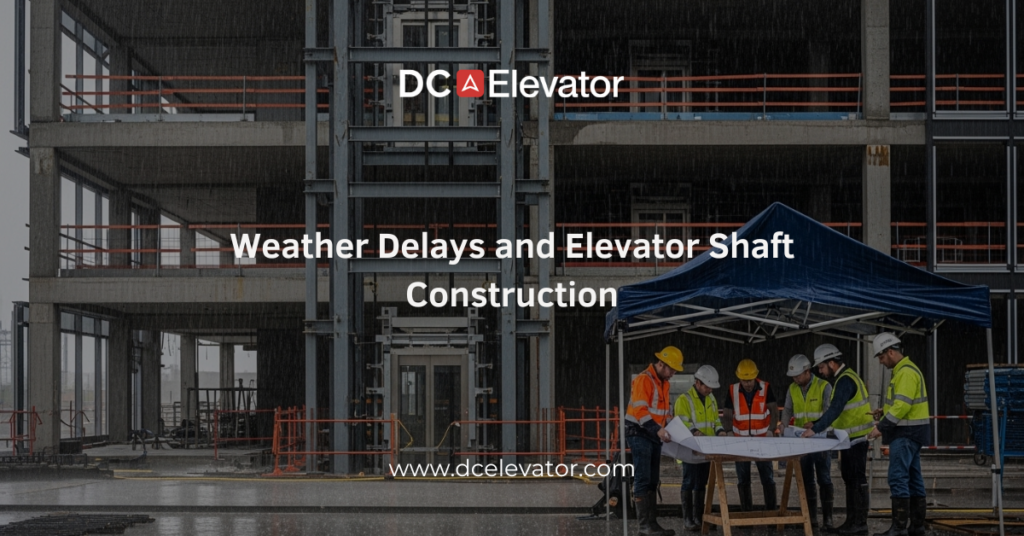
Have you ever planned a construction project only to have the timeline disrupted by unexpected weather? For many building owners and facility managers, weather-related delays are an unavoidable reality—especially during elevator shaft construction. Because shafts are often built early in the structural phase, they are highly exposed to rain, extreme temperatures, and severe storms.
Understanding how weather affects elevator shaft construction is critical for maintaining project schedules, controlling costs, and ensuring long-term elevator performance. Whether you’re overseeing new construction or a major building expansion, knowing the risks—and how to manage them—can help keep your project moving forward with fewer surprises.
How Weather Impacts Elevator Shaft Construction
Elevator shafts are precision-built vertical structures that require strict tolerances. Weather conditions can interfere with multiple stages of the process.
Moisture and Rain Exposure
Rain is one of the most common disruptors. Excess moisture can:
-
Delay concrete curing
-
Cause water intrusion in the hoistway
-
Damage unfinished materials
-
Create unsafe working conditions
For example, if heavy rain occurs after shaft walls are poured but before proper sealing, moisture can seep into the structure. This may lead to additional drying time, remediation work, or even schedule shifts for elevator equipment installation.
Temperature Extremes
Both high heat and cold weather can affect construction quality.
-
Cold temperatures slow concrete curing and may require additives or heated enclosures.
-
Extreme heat can cause rapid curing, increasing the risk of cracking or structural inconsistencies.
In regions with seasonal swings, contractors often build weather buffers into project timelines—but unexpected temperature spikes can still create complications.
Wind and Severe Storms
High winds and storms present safety risks and may halt vertical construction activities. Crane operations, material staging, and formwork installation are especially vulnerable. Even short weather stoppages can create ripple effects that delay subsequent elevator installation phases.
Common Challenges for Building Owners
Weather delays don’t just affect contractors—they directly impact project stakeholders.
Schedule Disruptions
When shaft completion is pushed back, elevator installation crews cannot begin on time. This can delay building occupancy, tenant move-ins, or certificate approvals.
Increased Project Costs
Extended timelines often mean:
-
Additional labor expenses
-
Equipment rescheduling fees
-
Temporary weather protection costs
-
Potential material replacement
Coordination Breakdowns
Elevator installation depends on tight coordination between trades. Weather interruptions can create gaps between structural completion and equipment readiness, increasing the risk of misalignment or rework.
Practical Strategies to Reduce Weather Risks
While weather cannot be controlled, its impact can be managed with proper planning.
Build Weather Contingencies into the Timeline
Experienced project teams include seasonal buffers, especially during rainy or winter months. Early planning helps reduce last-minute surprises.
Use Temporary Hoistway Protection
Installing temporary enclosures or weather barriers can significantly reduce moisture intrusion and allow some work to continue during light weather events.
Prioritize Early Coordination with Elevator Professionals
Bringing elevator experts into the planning phase ensures shaft specifications, tolerances, and readiness requirements are clearly defined. Early reviews help prevent costly corrections later.
Conduct Pre-Installation Readiness Checks
Before elevator equipment arrives, a thorough hoistway inspection confirms that weather exposure has not affected alignment, dryness, or structural integrity.
Weather delays are a common but manageable challenge in elevator shaft construction. Rain, temperature extremes, and storms can all disrupt timelines and increase costs—but proactive planning and early coordination make a significant difference.
By understanding the risks and preparing accordingly, building owners and facility managers can keep projects on track and avoid costly setbacks. Careful hoistway preparation today helps ensure smooth elevator installation tomorrow.
If your project has experienced construction delays or you want to ensure your elevator shaft is truly installation-ready, our team can help evaluate site conditions and next steps. Contact us today for a professional elevator readiness assessment.