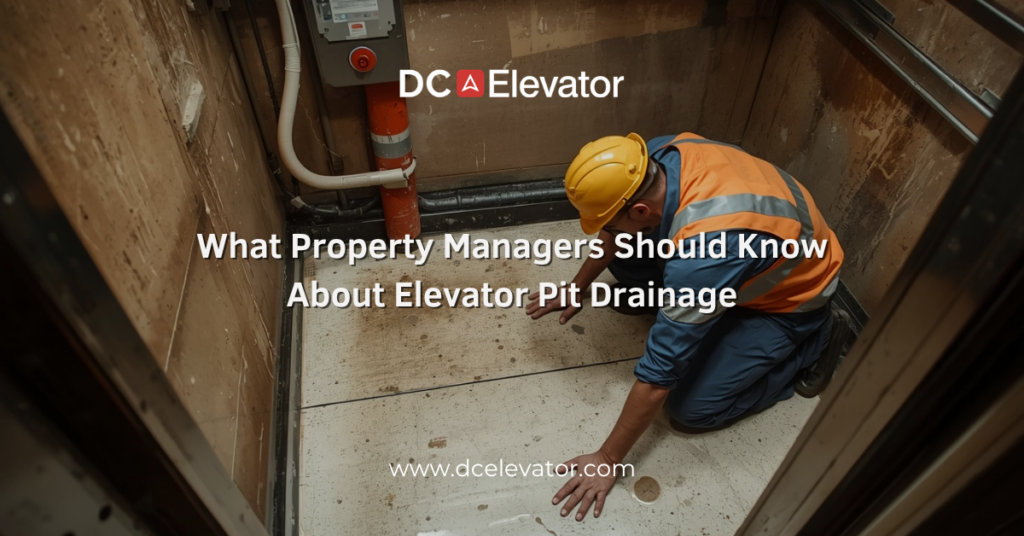
What happens when rainwater, groundwater, or a plumbing leak finds its way into an elevator pit? For property managers, water accumulation below an elevator is more than a housekeeping concern—it can affect equipment, maintenance, and building safety. Elevator pits are located at one of the lowest points of a building, making them vulnerable to water intrusion when drainage or waterproofing systems are inadequate.
This issue can be particularly important for commercial properties, apartments, hotels, schools, and other buildings where elevators are essential to daily operations. Property managers should understand how elevator pit drainage works, what warning signs to watch for, and when professional attention is necessary. Addressing drainage concerns early can help protect elevator equipment, reduce unexpected downtime, and prevent recurring water-related problems from becoming more expensive to resolve.
Why Elevator Pit Drainage Matters
An elevator pit needs to remain as dry and clean as reasonably possible to protect the equipment installed there and provide technicians with a suitable working environment. Water can enter a pit through several pathways, including groundwater, heavy rainfall, foundation leaks, plumbing problems, or drainage failures elsewhere in the building.
Even a small amount of recurring moisture deserves attention. Standing water can contribute to corrosion and deterioration of metal components and may affect electrical equipment, switches, wiring, and other elevator components depending on their location and design.
For this reason, property managers should treat repeated water accumulation as an indication that the underlying cause needs to be identified.
Common Elevator Pit Drainage Concerns
Drainage problems can take different forms. Some buildings may have a dedicated drainage system, while others may rely on sump pumps or other approved methods to manage water. The appropriate solution depends on the building, elevator design, local requirements, and site conditions.
Common warning signs include:
- Standing water or damp surfaces in the elevator pit
- A sump pump that runs frequently or fails to operate
- Evidence of corrosion on pit equipment
- Water appearing after heavy rain
- Musty odors or visible moisture
- Repeated reports of water intrusion
- Drainage components that appear blocked or damaged
A drainage system that works during normal weather may still struggle during periods of heavy rainfall or when groundwater levels rise. Monitoring the pit after major storms can therefore provide useful information about recurring problems.
Coordinate Elevator and Building Maintenance
Elevator pit drainage is not always solely an elevator issue. The source of water may involve the building’s foundation, plumbing, waterproofing, grading, or stormwater management.
Property managers should coordinate with the appropriate building professionals to identify and correct the source while also having elevator equipment evaluated for potential damage.
Elevator technicians can inspect affected components and determine whether cleaning, repair, or replacement is necessary. Building personnel should avoid entering the pit or attempting to repair elevator equipment themselves, particularly when water is present.
Make Drainage Part of Preventive Planning
Rather than waiting for a flooded pit to interrupt elevator service, property managers can include pit conditions in their regular facility checks. After significant storms or plumbing incidents, checking for signs of water intrusion can help identify problems sooner.
Documenting when water appears, how much accumulates, and whether it occurs after specific weather events can also help maintenance professionals diagnose recurring drainage issues.
For older elevator systems, repeated exposure to moisture may also warrant a broader equipment assessment to determine whether components have experienced deterioration.
Proper elevator pit drainage plays an important role in protecting equipment and supporting reliable elevator operation. Water intrusion can contribute to corrosion, equipment deterioration, and unsafe working conditions, particularly when the problem is recurring or left unresolved. Property managers can reduce these risks by monitoring pit conditions, responding quickly to water accumulation, and coordinating elevator and building maintenance professionals when drainage concerns arise.
If your elevator pit has experienced standing water, recurring moisture, or drainage problems, our elevator professionals can inspect the system and assess whether equipment may have been affected. Contact us today to schedule an elevator inspection and get a clearer understanding of your elevator pit’s condition before a drainage issue becomes a larger operational problem.