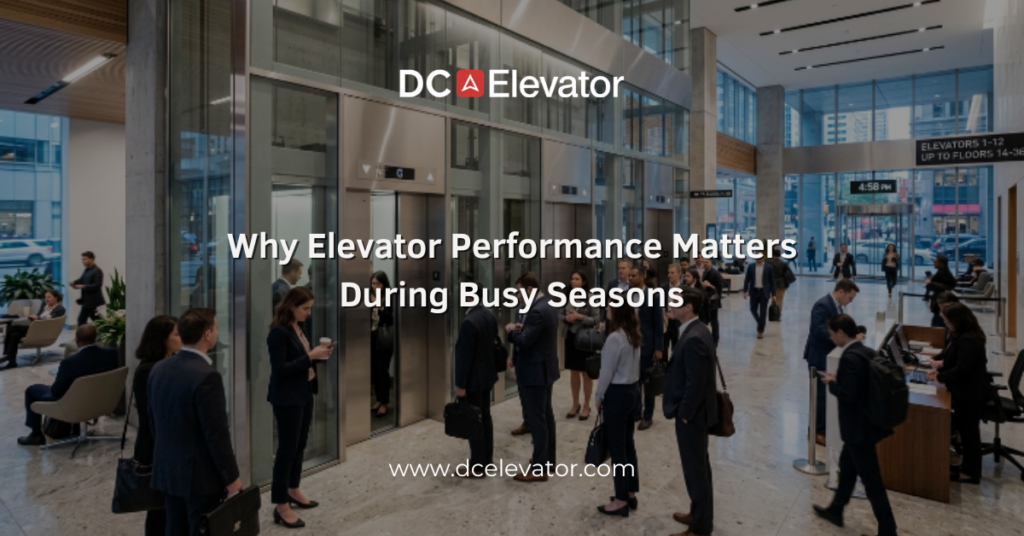
Have you ever noticed how elevator issues seem to appear at the worst possible time—right when your building is at its busiest? Whether it’s summer travel season, move-ins and move-outs, or peak business hours, elevators are under increased demand when people rely on them the most.
For property owners and facility managers, consistent elevator performance during high-traffic periods isn’t just about convenience—it directly impacts tenant satisfaction, building efficiency, and even safety. A minor delay or breakdown during a slow period may go unnoticed, but during busy seasons, the same issue can quickly disrupt operations and frustrate occupants. Understanding why reliability matters more during these times can help you take the right steps to keep your elevators running smoothly when it counts.
Increased Demand Amplifies Small Issues
During busy seasons, elevator systems experience a significant increase in usage. This means components are cycling more frequently, and even small inefficiencies become more noticeable.
For example, a slight delay in door opening or slower travel speed might not seem like a major issue during normal operations. However, when dozens or hundreds of additional trips are added each day, these small delays can create long wait times and congestion in lobbies.
Consistent performance ensures that your elevator system can handle higher demand without creating bottlenecks that affect the entire building.
Tenant Experience Is More Noticeable
Busy seasons often bring more visitors, new tenants, or temporary occupants into your building. For many of them, the elevator is one of the first and most frequent touchpoints they experience.
Unreliable performance during these periods can lead to:
-
Increased complaints from tenants and guests
-
Negative impressions of building management
-
Frustration during peak hours
On the other hand, smooth and efficient elevator operation contributes to a positive experience, helping maintain tenant satisfaction and retention.
Higher Risk of Breakdowns Under Pressure
Elevators that are already showing signs of wear are more likely to experience issues when demand increases. Components such as door systems, motors, and control systems are placed under additional stress, which can accelerate existing problems.
A system that performs adequately during low usage may struggle to keep up during peak periods, leading to:
-
Unexpected shutdowns
-
Longer repair times
-
Disruptions to daily operations
This is why it’s important to address minor issues early—before they escalate under increased load.
Operational Efficiency Depends on Reliability
In commercial buildings, healthcare facilities, and residential complexes, elevator performance directly impacts daily operations. Delays can affect employee productivity, patient transport, or resident routines.
For instance:
-
Office buildings may experience delays during morning and afternoon rush hours
-
Residential properties may see congestion during move-in or move-out periods
-
Hotels may struggle with guest satisfaction during peak travel seasons
Reliable elevator systems help maintain smooth traffic flow, ensuring that people can move efficiently throughout the building.
Preparing for Peak Seasons
The key to maintaining consistent elevator performance during busy times is preparation. Proactive maintenance and system evaluations can help identify potential issues before they become major problems.
Best practices include:
-
Scheduling inspections ahead of peak seasons
-
Addressing worn or aging components early
-
Testing system performance under higher load conditions
-
Ensuring doors, controls, and safety features are functioning properly
Taking these steps can significantly reduce the risk of unexpected downtime and improve overall system reliability.
Consistent elevator performance becomes even more critical during busy seasons when demand is at its highest. Small issues can quickly turn into major disruptions, affecting tenant satisfaction, building efficiency, and daily operations.
By understanding how increased usage impacts your system and taking a proactive approach to maintenance, you can ensure your elevators remain reliable when it matters most.
If your building is preparing for a high-traffic season or you’ve noticed performance inconsistencies, now is the time to act. Our team can evaluate your elevator system, identify potential concerns, and recommend practical solutions to keep everything running smoothly. Contact us today to schedule a professional elevator assessment.