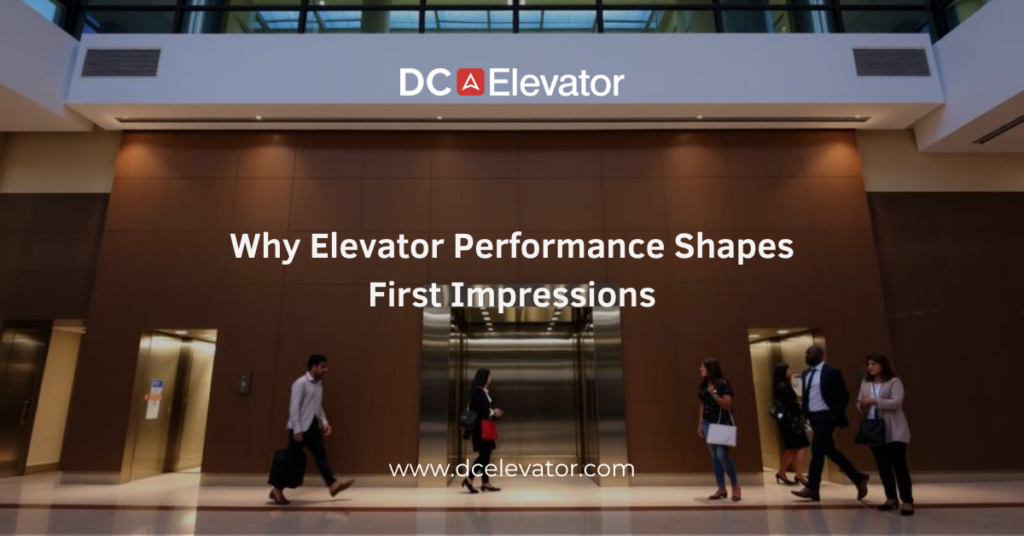
When someone steps into your building for the first time, what’s the experience like? Before they see the office space, meet your staff, or visit a tenant, many occupants and visitors encounter one critical system first—the elevator. Slow response times, rough rides, unusual noises, or frequent outages can quickly create doubt about a building’s quality and management.
For property owners, facility managers, and decision-makers, elevator performance is more than a functional necessity—it’s part of the building’s reputation. Elevators influence how tenants, employees, patients, and guests perceive safety, professionalism, and reliability. In competitive markets, even subtle operational issues can affect tenant satisfaction and long-term value. Understanding how elevator performance reflects overall building quality helps owners prioritize maintenance, repairs, and strategic improvements before small issues leave a lasting negative impression.
Elevators as the Building’s First Touchpoint
Performance Sends a Message
Elevators operate silently in the background—until they don’t. Long wait times, doors that hesitate, or inconsistent leveling immediately signal inefficiency. In office buildings, this can impact employee productivity. In healthcare or residential environments, it can raise concerns about accessibility and safety.
A smooth, responsive elevator, on the other hand, reinforces confidence. It tells occupants that systems are maintained, management is proactive, and the building is professionally operated.
Reliability Matters More Than Aesthetics
While cab finishes and lighting play a role in appearance, performance has a greater impact on perception. A visually appealing elevator that frequently breaks down quickly undermines trust. Building users often associate repeated elevator issues with deferred maintenance across other systems—even if that isn’t the case.
Tenant Retention and Satisfaction
For property managers, elevator performance directly affects tenant satisfaction. Frequent service disruptions can lead to complaints, lease concerns, or even tenant turnover. In multi-tenant properties, elevators are shared systems—meaning one issue affects everyone.
Common Performance Challenges in Aging Buildings
Increased Downtime and Delays
As elevators age, components experience natural wear. Response times may slow, stops may become less precise, and service calls may increase. While these issues may seem minor individually, together they create a noticeable decline in user experience.
Inconsistent Ride Quality
Jerky movements, vibration, or uneven stops can make passengers uncomfortable. These symptoms often indicate underlying mechanical or control issues that require attention beyond routine maintenance.
Reactive vs. Proactive Maintenance
Many buildings rely on reactive repairs—addressing problems only after they disrupt service. This approach often leads to higher costs, more downtime, and a negative perception among occupants.
Protecting Building Image Through Smart Elevator Care
Regular Performance Evaluations
Routine maintenance is essential, but periodic performance evaluations provide deeper insight. These assessments help identify patterns, recurring issues, and areas where repairs or upgrades could improve reliability.
Targeted Repairs and Strategic Upgrades
Not every building needs a full modernization. In many cases, targeted repairs or selective upgrades can significantly improve ride quality, responsiveness, and reliability—enhancing the user experience without unnecessary expense.
Clear Communication With Service Providers
Working with an experienced elevator service provider ensures issues are explained clearly and solutions align with building goals. Transparent recommendations help owners plan improvements that protect both performance and budget.
Elevators do more than move people—they shape first impressions, influence tenant satisfaction, and reflect the overall quality of a building. Consistent performance signals professionalism, safety, and proactive management, while recurring issues can quietly erode trust and value.
If your building’s elevators are showing signs of declining performance or frequent service interruptions, our team can evaluate how repairs or upgrades may improve reliability and user experience. Contact us today to schedule an elevator performance assessment and ensure your building makes the right first impression—every time.