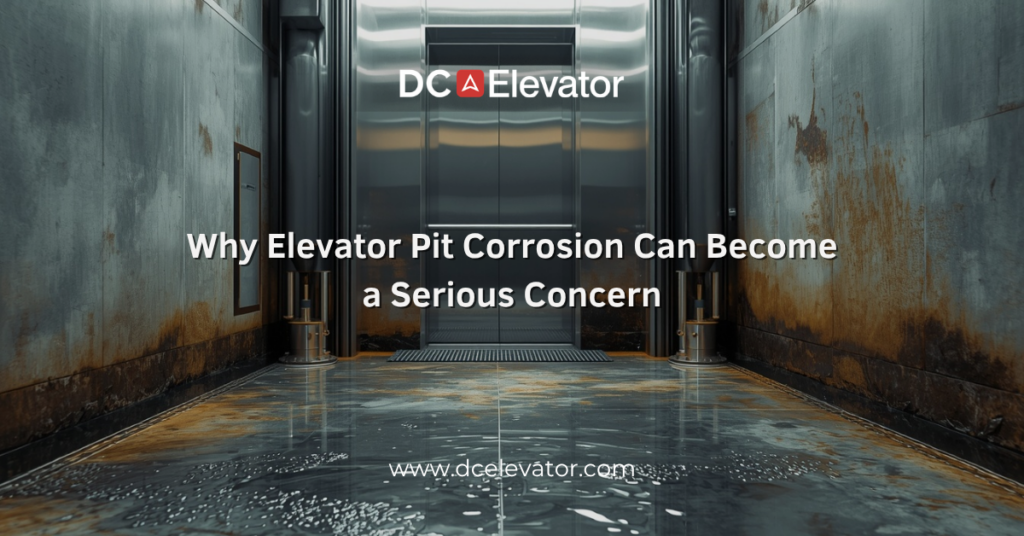
What may look like a small patch of rust in an elevator pit can become a much bigger maintenance concern if it is left unchecked. Elevator pits are exposed to conditions that can promote corrosion, including moisture, condensation, groundwater intrusion, and water accumulation. Over time, these conditions can affect metal components and create additional maintenance challenges for building owners and facility managers.
Corrosion does not always develop where it is immediately visible. It can gradually affect structural components, equipment supports, wiring, and other metal surfaces located in or around the pit. For commercial and residential properties, identifying the causes of corrosion early is an important part of maintaining a reliable elevator system. Regular inspections and timely corrective action can help prevent a manageable condition from becoming a more costly equipment concern.
How Moisture Contributes to Pit Corrosion
Moisture is one of the primary factors behind corrosion in elevator pits. Water can enter through groundwater, plumbing leaks, drainage problems, condensation, or other sources. Even when standing water is not present, consistently damp conditions can create an environment where metal components gradually deteriorate.
The problem can be especially noticeable in buildings with drainage issues or properties located in areas where heavy rainfall and changing groundwater conditions are common. If water repeatedly enters the pit, simply removing the water may not address the underlying cause.
Facility managers should pay attention to recurring moisture, rust-colored water, deteriorating metal surfaces, or signs that water is entering the pit after storms. These conditions warrant further evaluation.
Components Can Be Affected Over Time
Corrosion can affect more than the appearance of elevator equipment. Depending on its location and severity, deterioration may affect components, fasteners, supports, or other metal surfaces within the pit.
For example, corrosion around equipment supports or mounting hardware can create additional maintenance concerns. Corroded surfaces may also make future repairs more difficult, particularly when components need to be removed or replaced.
Electrical equipment and wiring should also be protected from excessive moisture. Water exposure can contribute to electrical issues and increase the need for inspection and repair.
This is why addressing pit water and corrosion early is preferable to waiting until equipment performance is noticeably affected.
Addressing the Source of the Problem
When corrosion is identified, the first step is determining why moisture is reaching the elevator pit. Depending on the building, solutions may involve improving drainage, correcting leaks, addressing water intrusion, or making appropriate repairs to affected equipment.
Routine elevator maintenance can help identify developing problems before they become more disruptive. During service visits, qualified elevator professionals can inspect accessible components and identify conditions that may require additional attention.
If corrosion has already affected older equipment or components, an elevator analysis can help determine whether targeted repairs are appropriate or whether modernization should be considered. The right approach depends on the condition of the equipment, the extent of corrosion, the building’s needs, and long-term maintenance plans.
Why Early Attention Matters
Ignoring recurring moisture or visible corrosion can allow damage to progress. What begins as surface rust may eventually lead to deteriorated components, more complicated repairs, and unexpected elevator downtime.
Property owners and facility managers should treat recurring pit water and corrosion as maintenance concerns rather than cosmetic issues. Documenting water intrusion, monitoring affected areas, and coordinating inspections can help building teams respond before the problem becomes more serious.
Elevator pit corrosion is often a sign that moisture is affecting the environment around the elevator equipment. While some surface corrosion may appear minor, recurring water intrusion can contribute to equipment deterioration and create additional maintenance challenges over time. Identifying the source of moisture and addressing affected components early can help protect the elevator system and reduce the likelihood of more extensive repairs.
If you have noticed rust, standing water, moisture, or deteriorating components in your elevator pit, it is worth having the condition evaluated by an experienced elevator professional. Our team can assess the condition of your elevator equipment, identify potential concerns, and help determine the appropriate next steps. Contact us today for an elevator analysis and help protect your elevator system from avoidable corrosion and water-related damage.